Traditional CRM relies on handwriting and memory? Hong Kong SMEs are using AI CRM to turn the tide. Automatically analyzing behavior and predicting deal opportunities, even beauty shops can send coupons with pinpoint accuracy. Learn how to start with a departmental pilot and see results in eight weeks.
Over 68% of Hong Kong website projects face cost overruns and delays due to unclear requirements. The real problem isn’t technology—it’s consensus. This article presents an actionable horizontal alignment framework that helps businesses reduce rework rates by more than 50%, making development no longer a gamble.

Saving $30,000 annually on advertising expenses is no longer a dream. With the right free SEO strategy and localized optimization, SMEs can steadily attract high-conversion organic traffic.
Building a free independent website now takes only 10 minutes, yet 90% of sites shut down after three months. The real difference lies in whether you integrate GEO data with an AI CRM system, creating an automated marketing closed loop.

Vibe Coding is quietly sparking a profound educational revolution across Hong Kong. It doesn't teach rote memorization of grammar, but rather empowers people to tell stories, make music, and create games through programming. This trend of joyful, effortless programming language learning is rewriting the rules of tech education.
Hong Kong SMEs often fail at CRM integration—not because the technology doesn’t work, but because they step on three hidden landmines. This article dissects real-world cases and quantifiable benefits, guiding you from data silos to an automated decision-making engine.

When Google’s AI starts directly answering consumer questions, is your website still just passively waiting for clicks? GEO-compliant independent websites are rewriting the rules of the game—enabling brands to be recommended the instant users ask questions.
In Hong Kong, 70% of beginners give up learning to code within six months—the problem isn’t the people, it’s the curriculum. Vibe Coding Hong Kong transforms classrooms into discovery spaces through contextual teaching, enabling everyone to create value from day one.
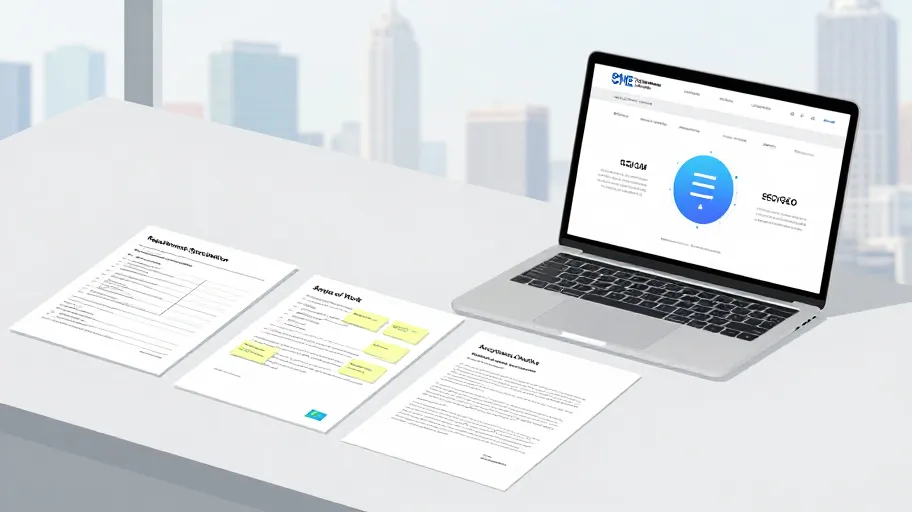
When Hong Kong SMEs initiate a website development project, the first question they should address is not "Which vendor should I choose?" but rather "Where do my own requirements lie?" A manageable process involves first clarifying internal needs, then defining the scope of implementation, and finally concluding with a written acceptance checklist. This article provides ready-to-use frameworks and checklists for these three stages, helping you take control before engaging any Hong Kong web development service provider.