

Hong Kong enterprises lose more than just time every day—they also miss out on business opportunities hidden within data gaps. CRM Integration in Hong Kong is becoming the linchpin of efficiency transformation—breaking down silos, enabling automatic synchronization, and allowing data to truly drive sales and service.

Want to start an online store but afraid of high costs? Building a website for free has become the new entry threshold for the next generation of entrepreneurs. With the right tools, you can go live within 24 hours, saving over $15,000 in expenses during the first year—key is choosing the right strategy.

For multinational corporations operating in Hong Kong, 90% of CRM failures stem from ignoring local regulations and market rhythms. The right integration solution not only ensures compliance but also accelerates sales and reduces risks. True competitiveness comes from seamless alignment between systems and ecosystems.
Should GEO optimization be done? To what extent should it be implemented? And how should it be accepted? The straightforward answer is: first determine whether your target customers will actively search for your business type in AI-generated responses or search results; then, based on your existing website and content foundation, define the implementation scope; finally, use reproducible checklists as acceptance criteria. For Hong Kong SMEs and cross-border B2B service companies, GEO is not a completely new project replacing SEO, but rather an extension that makes existing standalone website content more easily referenced in generative search scenarios.
Choosing the right Hong Kong website development company can boost conversion rates by 40%. This isn’t just a design competition—it’s a deep integration of business strategy and technical execution. Next, we’ll break down the thought frameworks of successful practitioners step by step.

Over 60% of website projects in Hong Kong run over budget and delay, mainly due to unclear requirements. A clear acceptance checklist can help you stay on budget and on schedule. Here are practical strategies we’ve used to help 37 companies achieve successful deliveries.
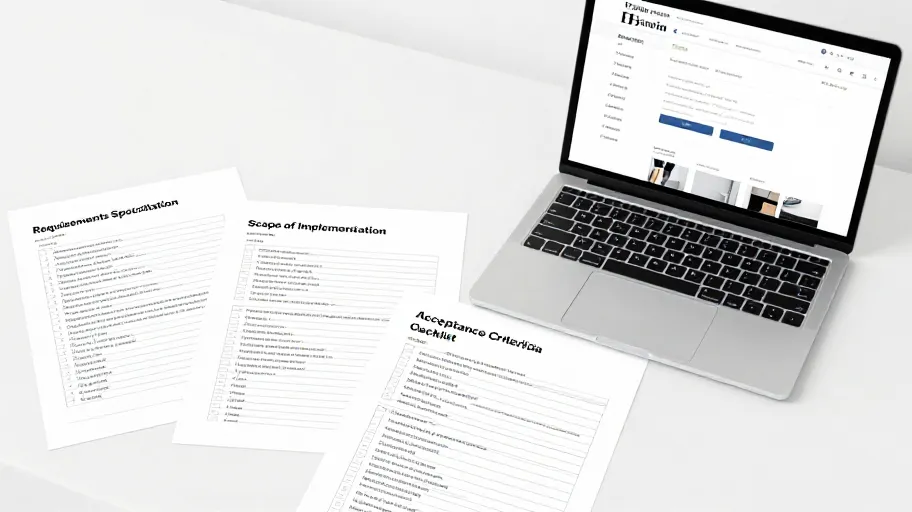
Planning to launch a website development project in Hong Kong? The first step isn't seeking quotes from vendors—it's drafting three aligned lists outlining your requirements, scope, and acceptance criteria. Below is a framework to help you clarify what you want, what constitutes completion, and which items should be included in this phase before engaging any development team.
Most independent sites spend money on traffic but fail to retain visitors. The key isn’t advertising—it’s whether you can turn every click into a replicable growth asset. The GEO Independent Site Closed-Loop Strategy is the core engine that breaks this deadlock.

Why is programming so hard to get started in Hong Kong? Vibe Coding combines emotion sensing with generative AI to change the game. No more memorizing syntax—express yourself through code.
Can you keep acquiring customers without paying platform commissions? The key lies in turning geographic behavior into interactive signals. GEO Location × AI CRM turns every visit into a traceable, triggerable sales opportunity, truly giving you control over your customer base.

Why do so many free independent websites end up becoming “digital graveyards”? The key isn’t the tools—it’s whether you’ve established a data flywheel. This time, we’ll show you how to use free toolchains to build a compounding growth engine for customer acquisition.

